Pomeranian Puppy Pickup & Travel: What to Confirm Before You Buy
Choosing a puppy is exciting; working out how that puppy gets home deserves the same attention. If you are buying a Pomeranian from another part of the United States, ask about pickup and travel before you place a deposit or buy a ticket. A clear plan lets you compare the real cost, understand who is responsible at each handoff, and avoid a rushed trip for a very small dog.
This guide walks through the questions to settle with the seller, the records to request, and the practical differences between a drive and a flight. Every puppy and route is different, so confirm the details for the individual dog with the seller, your veterinarian, and any carrier involved.
Confirm the puppy and the handoff first
Start with the exact puppy listing, not a general promise about a litter. Ask whether the puppy is still available, the current age, the price, the earliest appropriate handoff date, and where the handoff would happen. Request recent photos or a live video conversation so you can identify the puppy you are discussing. Get the seller’s name, contact details, and a written summary of what is included in the price before paying anything.
For example, Dream Poms currently lists Kody as a white male Pomeranian at $700. His page refers to an earlier age and vaccination note and asks buyers to contact Dream Poms for updated availability and records. Treat those historical details as a starting point for questions, not a current health certificate or a promise that he can travel on a particular date. You can compare other listings on the available-puppies shop page, then confirm the individual puppy’s status directly.
Ask what travel options are actually offered
“Delivery available” can mean very different things: meeting the buyer in person, a buyer driving to the seller, ground transport, or an accompanied or unaccompanied flight. Do not assume any option is offered for your puppy or destination. Ask who arranges it, who accompanies the puppy, the precise pickup and drop-off points, the expected route, and what happens if the plan changes.
Request a written breakdown of any travel charge, carrier fee, crate cost, and required veterinary paperwork. Clarify whether those costs are included in the displayed puppy price. Ask when the puppy becomes your responsibility and how you will receive updates during the trip. If a third-party transporter is involved, get its business name and contact information, then confirm the arrangements directly with that provider before the puppy travels.
What to check before a car pickup
Driving to meet your puppy may give you more control over timing and the first ride home. Agree on a specific meeting location and time, and make sure you know who will be present. Leave enough time to review the puppy, records, and any purchase agreement in person. If something does not match what you discussed, pause and resolve it before leaving.
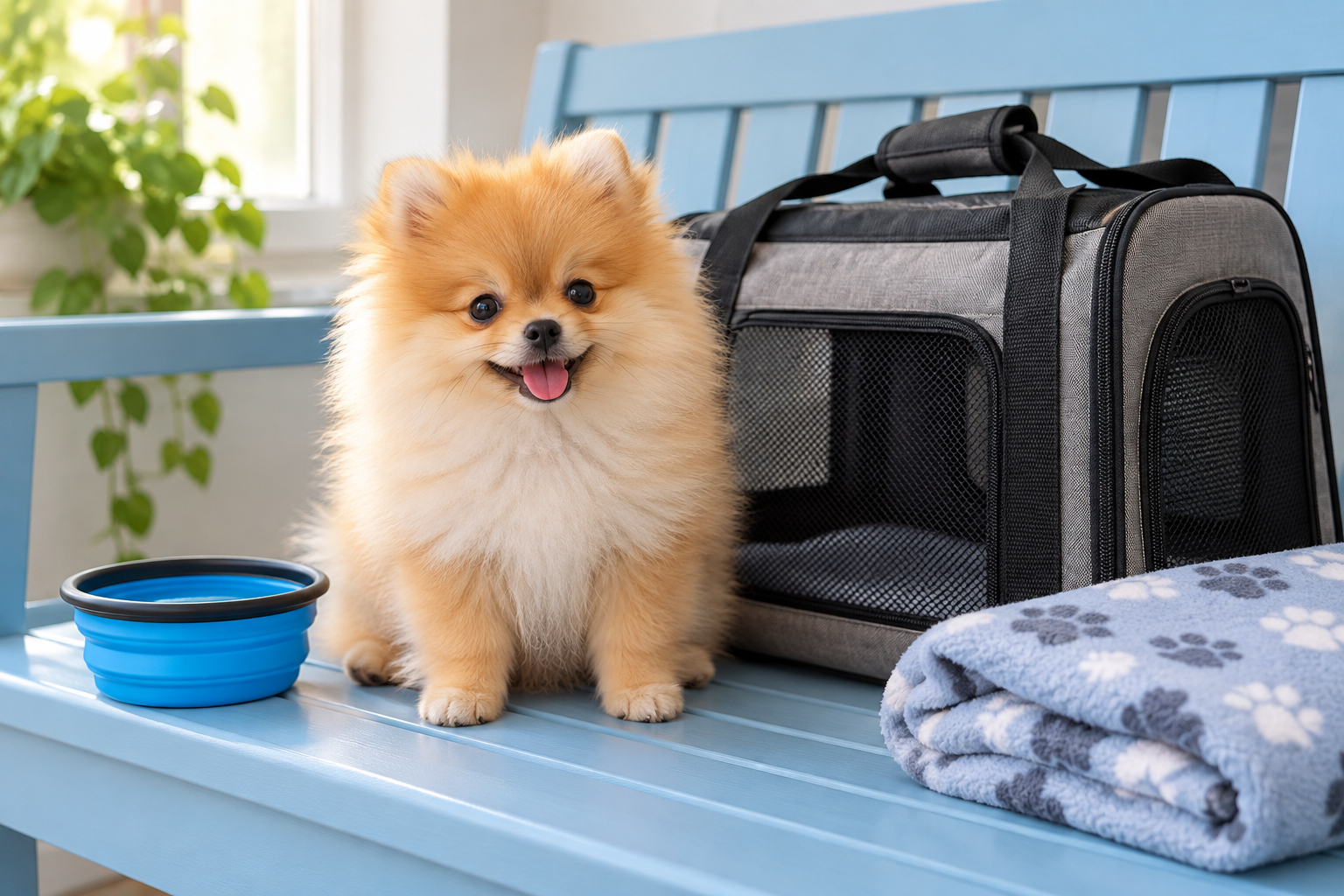
Bring a secure, appropriately sized carrier, a light washable liner, water, a small bowl, cleanup supplies, and the food the puppy has been eating. Place the carrier where it can be restrained according to its instructions. The American Kennel Club recommends helping dogs become comfortable with a crate or other restraint for car travel. A loose puppy can distract a driver or escape when a door opens.
Plan calm stops on a long drive, but think carefully about exposure to unfamiliar dogs and heavily used pet areas. Ask your veterinarian how to balance breaks with your puppy’s vaccination stage. Never leave a puppy alone in a parked car. Keep the first day quiet once you arrive; the trip itself may be tiring even when it goes smoothly.
If flying is proposed, verify the exact route
Airline policies vary by carrier, route, season, aircraft, and whether the puppy travels in the cabin or under a separate transport program. Ask the airline about pet reservations, carrier dimensions, fees, required documents, and temperature or route restrictions before purchasing a ticket. A small breed name by itself does not guarantee cabin acceptance. The AKC advises checking the airline’s specific carrier requirements rather than assuming a bag will fit.
For commercial transport, the USDA says puppies must be at least eight weeks old and weaned. That is a minimum transport rule, not a recommendation that every puppy should travel at eight weeks. Individual readiness, airline requirements, and veterinary advice may call for a later date. The destination state may also require particular documents or vaccinations; USDA directs owners to check the receiving state’s rules.
Ask the seller and your veterinarian whether the puppy is fit for the proposed journey. Confirm who will hold the puppy at each point, how delays are handled, and whom you can call if a flight is disrupted. Avoid a travel plan built on vague assurances such as “we ship everywhere” without a named carrier, route, handoff, and paperwork.
Request records you can use after arrival
Ask for the puppy’s dated veterinary examination record, vaccination and deworming history, any medication information, and the name of the clinic that provided care. Clarify what has actually been administered and what is only planned. If there are parent health-screening records, request copies or verifiable references and discuss what they mean with your veterinarian. No screening can promise that an individual puppy will never develop a health problem.
Keep a copy of the sale agreement, payment receipt, microchip details if applicable, and any registration paperwork you were promised. Read the agreement for pickup terms, cancellation or rescheduling rules, and what happens if a veterinarian finds a concern soon after arrival. The AKC’s guide to puppy contracts explains why written terms and health records matter.
Arrange a first veterinary visit promptly after homecoming and bring all the records. Your vet can review the puppy’s current condition, plan the next vaccinations, and answer questions about feeding and safe outings. Our first-week Pomeranian checklist covers the home setup and daily routine that follow the trip.
Compare the full cost before committing
The listing price is only one line in the budget. Add your own travel, an appropriate carrier, any seller or transporter charges, required documents, and the first veterinary visit. Ask when each amount is due and which payments are refundable if plans change. Keep the breakdown in writing so there is no confusion between the puppy price and the cost of getting home.
Price can be a useful comparison point, but it should not replace questions about the puppy’s identity, current care, records, and a safe handoff. Our questions to ask before buying a Pomeranian can help you assess the seller alongside the travel plan.
Questions to send before you reserve
- Is this exact puppy available today, and what is the current age and price?
- Where can we meet, or which transport options are available for my destination?
- Who books and pays for each part of the trip, and who handles a delay?
- Which health and vaccination records will I receive before pickup?
- What does the written agreement say about handoff, rescheduling, and refunds?
- What food and routine should I continue during the first few days?
A seller who can answer these questions clearly gives you a much better basis for a decision than a shipping promise alone. If an answer remains unclear, wait until it is documented before sending money or booking travel.
FAQ: Pomeranian puppy pickup and travel
Can a Pomeranian puppy fly home with me?
Possibly, but the airline must approve the pet reservation and carrier for that specific flight. Ask your veterinarian whether the puppy is ready, check the airline’s current rules, and confirm destination-state requirements. Do not assume an advertised travel option applies to every puppy.
Is a health record the same as a travel certificate?
No. A vaccination or exam record describes care already provided. A carrier or destination may require a separate document completed within a particular time window. Ask the airline, receiving state, and veterinarian what applies to your route.
Should I pay for transport before confirming availability?
Confirm the exact puppy’s current status and the written travel terms first. Obtain an itemized total and clarify who arranges each leg. If you cannot verify those basics, postpone payment and travel bookings.
Make the next step a clear conversation
Browse the Dream Poms puppy listings, then contact Dream Poms with the puppy’s name and your city or state. Ask for current availability, updated records, the confirmed price, and the pickup or travel options for your route. Once those details are documented, you can decide whether the puppy and the journey are right for your household.